Feature · City Notes
Germany's Exhibition Powerhouses: A Look at Leading Trade Show Organizers
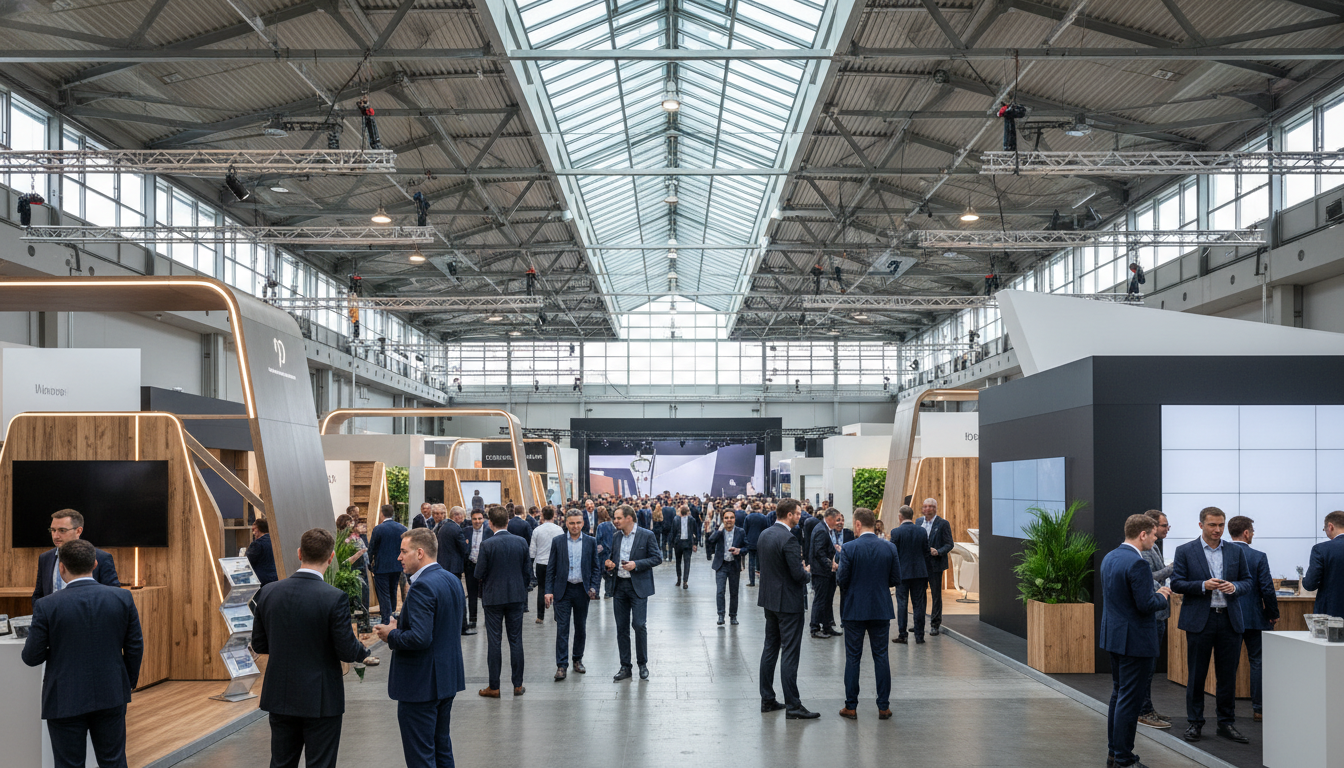
Germany's reputation as a global hub for trade fairs is well-earned, with its exhibition centers consistently drawing millions of visitors and exhibitors from around the world. These events are critical platforms for industry innovation, networking, and commerce. At the heart of this thriving ecosystem are powerful organizing bodies, each managing vast exhibition grounds and curating a portfolio of highly specialized and internationally recognized shows.
This overview delves into the operational scale, strategic focus, and flagship events of four of Germany's most prominent trade show organizers: Messe Berlin, Messe München, NürnbergMesse, and Deutsche Messe in Hannover. Understanding their individual strengths provides valuable insight into the diverse landscape of German and global exhibitions.
Germany's Exhibition Giants: A Closer Look at Leading Organizers
Each of these organizers brings a unique history and specialization to the global trade fair stage, contributing significantly to their respective regional economies and specific industry sectors.
Messe Berlin: The Capital's Global Gateway
Messe Berlin operates the expansive Berlin ExpoCenter City, featuring twenty-six halls across 160,000 square meters, complemented by the modern CityCube Berlin conference and exhibition hall. Additionally, it manages the Berlin ExpoCenter Airport, a newer venue near BER airport, offering over 20,000 m² of hall space. This state-owned enterprise is a top-tier global player, hosting more than 100 events annually. Its strategic sectors for 2026 include international tourism, consumer electronics, and the fresh produce industry, reflecting the breadth of its portfolio. Flagship events like ITB Berlin (travel), IFA (consumer electronics), InnoTrans (rail transport), and Fruit Logistica (fresh produce) are world-renowned leaders in their fields.
Messe München: Innovation and Sustainability in Bavaria
Messe München GmbH manages the Neue Messe München exhibition center, alongside the ICM Internationales Congress Center München and the MOC Veranstaltungscenter München. Its exhibition grounds boast 200,000 m² of indoor space across 18 halls and an impressive 414,000 m² of outdoor area—Germany's largest. Founded in 1964, the current center on the former Munich-Riem airport site opened in 1998. Messe München is a joint venture between the Free State of Bavaria and the City of Munich, organizing 16 domestic and 47 international trade fairs. Notable events include bauma (construction, the world's largest by geographical area), IFAT (environmental technologies), Intersolar Europe (solar industry), and electronica (electronics). The company is also a leader in sustainability, certified by TÜV Süd and operating one of the world's largest photovoltaic roof systems, saving over 8,000 tons of CO2 annually.
NürnbergMesse: A Hub for Specialized Global Events
Ranked among the top 15 exhibition companies globally, NürnbergMesse operates from its Nuremberg base with 16 halls covering 180,000 m² and an additional 50,000 m² of outdoor space. In its 50th anniversary year (2024), the company achieved record sales of approximately EUR 360 million, a 40% increase from 2022. It organizes over 120 national and international trade fairs and conferences annually, attracting 1.3 million visitors. NürnbergMesse excels in key sectors such as Organic Food & Personal Care, Refrigeration & HVAC, Civil Defence & Security, Powder Technology, and Industrial. With subsidiaries and agencies in over 100 countries, it maintains a strong global presence. The company is committed to the UN Sustainable Development Goals, aiming for climate neutrality by 2028.
Deutsche Messe (Hannover): Industrial Legacy and Future Tech
Deutsche Messe AG is synonymous with the Hannover Messe, established in 1947 as Germany's first Export Fair to revitalize the post-war economy. The Hannover Fairground is one of the world's largest, with over 496,000 m² of indoor space and 58,000 m² open-air. Hannover Messe itself is a colossal event, drawing 100,000–200,000 visitors annually, a third of whom are international. It covers the full spectrum of industrial technology, from drive engineering and automation to energy, R&D, and industrial IT. Key topics for Hannover Messe 2026 include Artificial Intelligence, Machine Learning, Carbon Neutral Manufacturing, and Hydrogen Cells, underscoring its focus on future industrial development. Deutsche Messe organizes over 150 fairs globally, and famously spun off CeBIT, a major IT show, in the 1980s.
Comparative Strengths and Future Trajectories
While each organizer has its unique identity, a comparative look at their scale and focus highlights Germany's comprehensive approach to the exhibition industry.
| Organizer | Founding Year | Indoor Exhibition Space (m²) | Key Flagship Events |
|---|---|---|---|
| Messe Berlin | 1936 (current premises) | 160,000 | ITB Berlin, IFA, InnoTrans, Fruit Logistica |
| Messe München | 1964 | 200,000 | bauma, IFAT, Intersolar Europe, electronica |
| NürnbergMesse | 1974 | 180,000 | BioFach, Chillventa, Enforce Tac, POWTECH |
| Deutsche Messe (Hannover) | 1947 | 496,000 | Hannover Messe |
These organizers collectively represent a formidable force, not just in Germany but on the global stage. Their commitment to hosting leading international events, coupled with significant investment in infrastructure and sustainable practices, ensures Germany remains a top destination for trade and innovation. The industry's resilience is evident in the positive growth figures for 2025, with increases in exhibitors, visitors, and rented stand space across Germany.
Navigating the Evolving Landscape: German Trade Show Trends
The German trade fair industry is not static; it is actively embracing several transformative trends. Internationalization remains a core tenet, with a strong emphasis on attracting and serving a global audience. This is evident in the extensive international networks maintained by organizers like NürnbergMesse and the high percentage of international visitors at events like Hannover Messe.
Digitalization, sustainability, and Artificial Intelligence (AI) are central themes shaping the future direction of these events. Organizers are integrating digital solutions to enhance exhibitor and visitor experiences, while also prioritizing environmental responsibility, as exemplified by Messe München's energy-efficient operations and NürnbergMesse's climate neutrality goals. AI and machine learning are increasingly becoming focal points within the content of the fairs themselves, particularly at industrial shows like Hannover Messe, but also in how organizers manage and promote their events. This forward-looking approach ensures that German trade fairs continue to be relevant, impactful, and at the forefront of global industry development.
— End of Story —