Feature · Calendar
Immersive Experiences: Global Leaders in Exhibition VR and Interactive Services
In the competitive landscape of global exhibitions and corporate events, standing out is paramount. Traditional booths and static displays are increasingly being replaced by dynamic, immersive experiences that captivate audiences and drive deeper engagement. Virtual Reality (VR), Augmented Reality (AR), and other interactive technologies are at the forefront of this transformation, offering novel ways for brands to connect with their target audiences.
From virtual product demonstrations that transcend physical limitations to fully immersive environments that transport attendees to another world, these technologies are reshaping how companies exhibit and interact. The shift isn't just about novelty; it's about measurable impact, with VR experiences, for instance, shown to significantly boost user engagement and lead generation.
The Rise of Immersive Technologies in Exhibitions
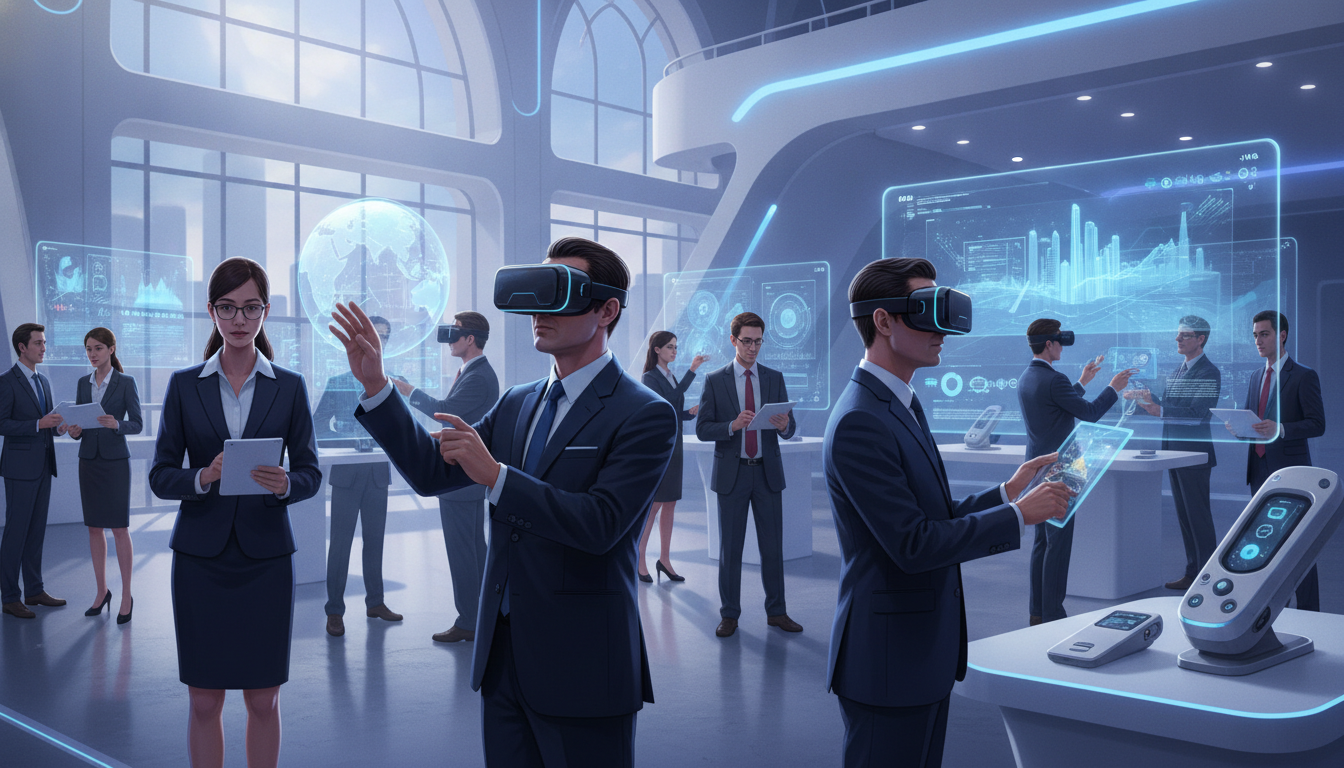
The integration of immersive technologies into exhibition spaces marks a significant evolution in event marketing. These tools allow exhibitors to overcome logistical challenges, such as showcasing oversized machinery or complex systems, by presenting them virtually. Beyond practicalities, they create memorable interactions that resonate long after the event concludes.
Companies leveraging VR and AR report substantial benefits, including an increase in user engagement by up to 27% for VR experiences and a 33% boost in lead generation. These technologies facilitate hands-on training, virtual tours, VR showrooms, and immersive storytelling, providing a richer, more informative experience for attendees.
VR, AR, and Beyond: A Comparative Look
While both VR and AR offer powerful immersive capabilities, they cater to different objectives and audience interactions. Understanding their distinctions is crucial for selecting the right technology for an exhibition strategy.
| Feature | Augmented Reality (AR) | Virtual Reality (VR) |
|---|---|---|
| Immersion Level | Adds digital elements to the real world; less immersive. | Creates fully simulated, immersive digital environments; highly immersive. |
| Accessibility | Generally accessible via smartphones (WebAR, apps); lower barrier to entry. | Requires specialized headsets; can be more restrictive. |
| Cost (Starting) | More cost-effective, setups starting around $2,600. | More expensive, setups starting around $10,000+. |
| Typical Use Cases | Interactive product configurations, virtual booth prototypes, facility simulations, real-world overlays. | Virtual showrooms, hands-on training, collaborative design review, virtual museums, immersive storytelling. |
Beyond AR and VR, other interactive solutions like large-scale domed LED technology (often termed "Shared Reality") and interactive projection solutions are also making waves, offering headset-free immersive experiences for broader audiences in museums, branded spaces, and public installations.
Key Players Driving Exhibition Immersion
A diverse array of global companies specializes in delivering these cutting-edge immersive and interactive experiences. They range from full-service event production houses to niche studios focusing on specific technologies or sectors.
- TLC Creative: Known for end-to-end VR event experiences, including custom content creation and multi-user setups for product launches, corporate events, and exhibitions.
- ENGAGE XR: Provides a robust platform for remote virtual reality events, utilized by major corporations for enterprise events, product launches, and company meetings, extending reach beyond physical attendance.
- Rocket-X: Specializes in crafting immersive exhibition stands, employing AR and VR for dynamic product demonstrations, interactive configurations, and compelling brand experiences.
- Cosm: A global technology company delivering "Shared Reality" immersive experiences using large-scale domed and compound curved LED technology, creating stunning visual environments without the need for headsets.
- Vectary: Focuses on Augmented Reality (AR) for trade show booths, enabling the creation of 3D presentations and virtual booth prototypes via WebAR, accessible directly on smartphones.
- Vortic: A UK-based platform empowering art galleries to create immersive virtual exhibitions and viewing rooms, enhancing collector engagement and sales across various devices.
- WorldViz: Develops comprehensive VR environments and scenarios for training, education, collaborative design review (Vizible), and showcasing projects, including specialized VR museums.
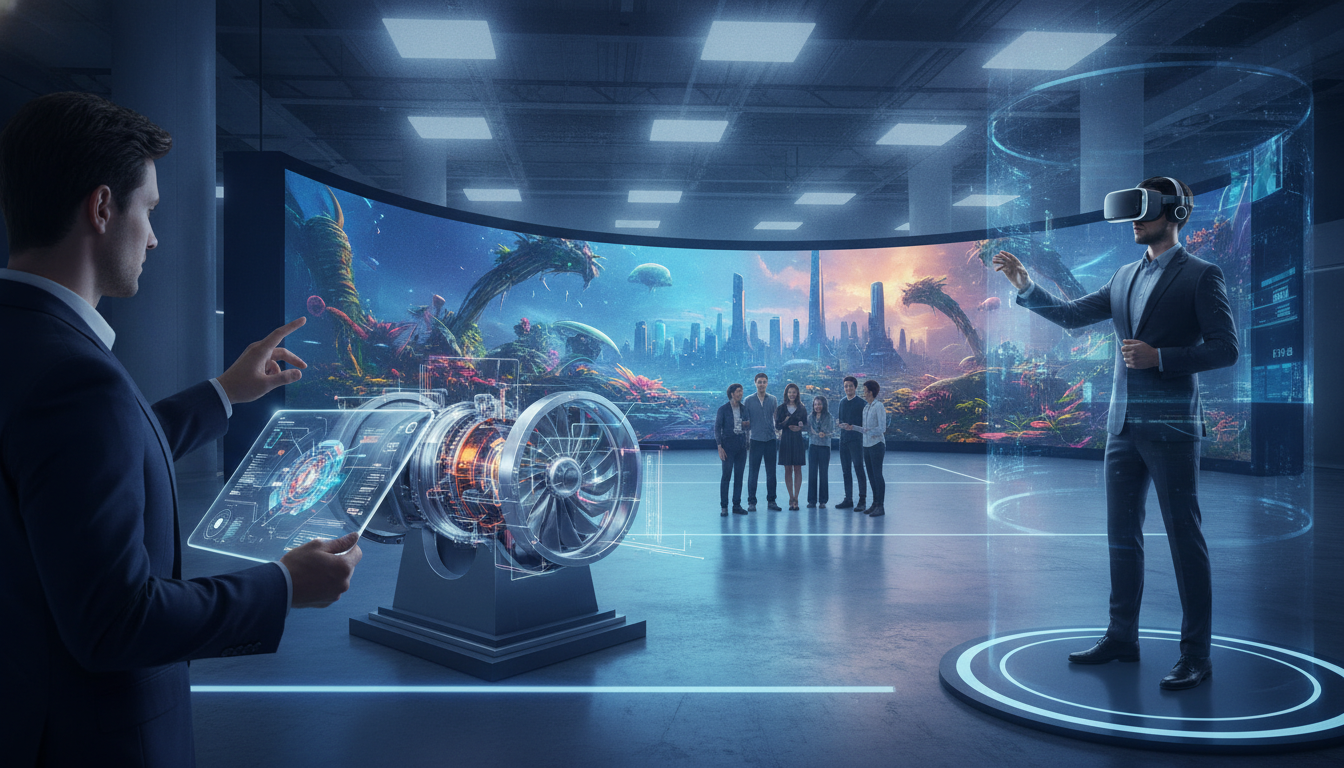
These innovators are not just providing technology; they are crafting narratives and fostering connections that define the next generation of exhibition and event experiences. Their solutions offer unparalleled opportunities for brands to engage, educate, and entertain, ensuring their presence leaves a lasting impression.
— End of Story —